

Packing sunscreen and moisturiser feels like second nature before a holiday, but actually adapting your skincare to a specific climate takes a little more thought. Here’s what your skin needs depending on where you’re headed.
1. Why Climate Can Affect Your Skin More Than You Expect
Your skin is constantly responding to its environment, which means stepping off a plane into a completely different climate puts it under immediate pressure. High humidity triggers excess oil production and can lead to breakouts, while dry or cold air strips moisture from the surface, leaving skin tight, flaky, or irritated. The delicate area around the eyes is always the first to show these signs of travel fatigue. I always pack a few pairs of cooling under eye patches in my carry-on; popping them on mid-flight or right after landing is an instant way to lock in hydration and banish puffiness before it settles. Wind compounds both problems by weakening the skin’s natural barrier, making it harder to retain hydration regardless of how much product you apply. Most people only notice these effects a few days into a trip, by which point the damage is already underway.
2. Looking After Your Skin in Hot Weather
Warm, sunny destinations call for a lightweight routine built around sun protection. A broad-spectrum SPF applied daily is non-negotiable, even on overcast days, as UV rays penetrate cloud cover without any difficulty. Swap out heavy moisturisers for gel-based or water-based formulas that won’t sit greasily on skin that’s already producing more oil than usual. A gentle, non-stripping cleanser used morning and evening helps keep pores clear without disrupting your skin’s natural balance. Staying properly hydrated also makes a tangible difference to how skin looks and feels, particularly during long days spent outdoors in the heat.

3. Protecting Your Skin During Colder Holidays
Cold air holds very little moisture, which is why skin dries out so quickly in winter conditions. Indoor heating makes things worse by further reducing humidity levels, and research from UC Davis Health suggests that water loss through the skin increases by around 25% in winter, making barrier protection especially important. Richer moisturisers, a nourishing lip balm, and a high-SPF sunscreen should all be considered essentials. People skiing in Tignes or visiting other Alpine resorts should pay particular attention to sun protection: according to the CDC’s 2025 Yellow Book, UV exposure increases at higher elevations, and snow reflects that radiation back onto exposed skin from below. A mid-mountain sunburn is far easier to get than most people expect.
4. Keeping Your Routine Simple While Travelling
The temptation to pack your entire bathroom cabinet rarely ends well. A stripped-back routine, like a cleanser, moisturiser, and SPF, is usually sufficient to keep skin balanced across most climates, and it reduces the risk of introducing too many new products while your skin is already adjusting. Sticking to familiar formulations is particularly useful if you have sensitive skin or existing conditions that flare under stress. Where possible, start adapting your routine a few days before you travel to give your skin a chance to settle before it faces a new environment.
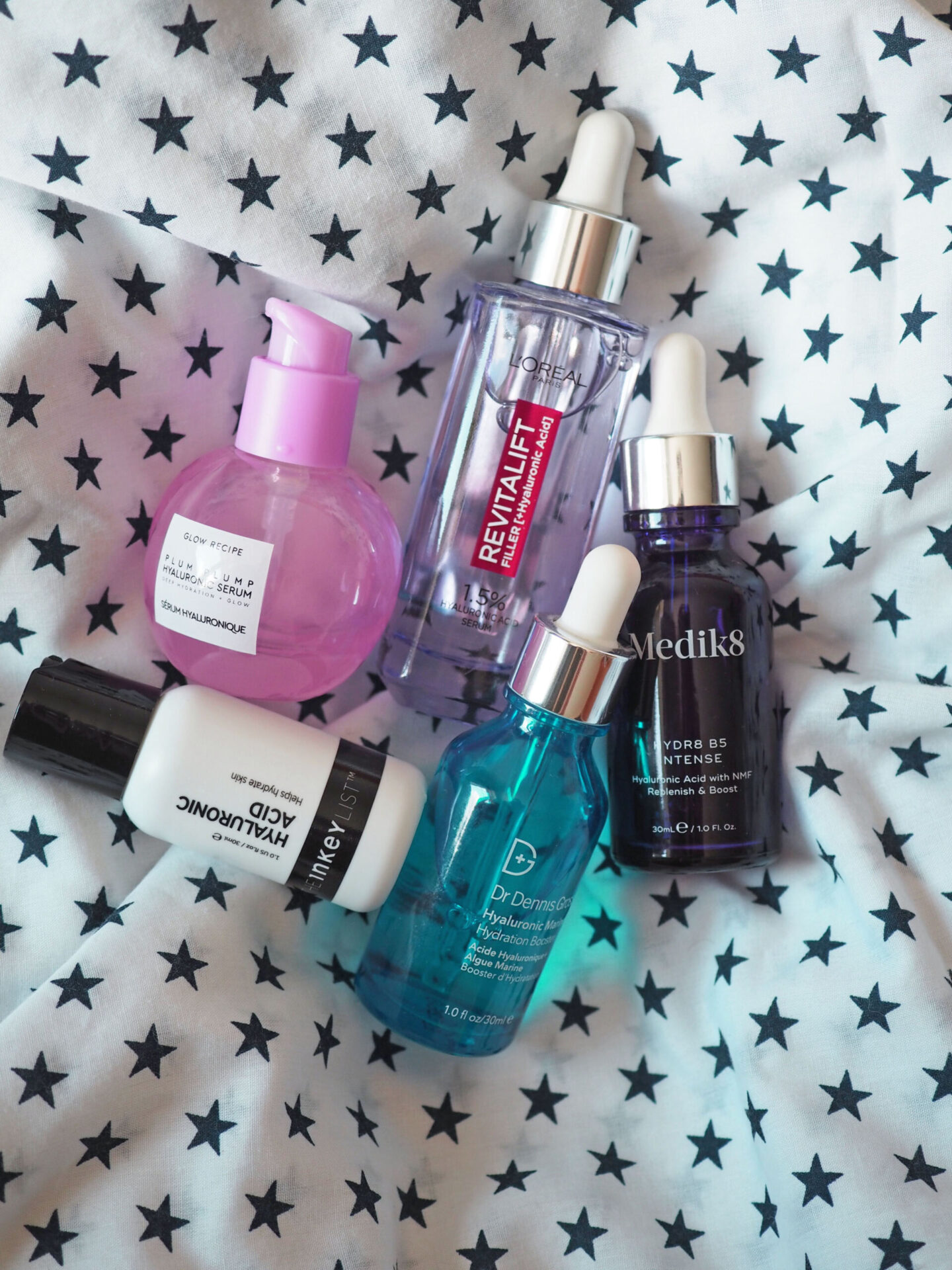
Skincare doesn’t need to be complicated to be effective on holiday. A small amount of preparation and the right core products will keep your skin comfortable wherever you end up.

